.jpg)
The alternator (also known as the generator in some BMW documentation) is one of the most critical components in your BMW’s electrical system. It keeps the battery charged while the engine is running and powers all electrical systems — from headlights and infotainment to advanced driver assistance features, heated seats, and electronic power steering.
Modern BMW alternators are sophisticated, smart-regulated units (often LIN or BSD-bus controlled) with outputs typically ranging from 140A to 250A+, depending on the model, engine, and options.
Typical BMW Alternator Output by Model/Engine (Approximate)
Here are some common examples based on popular generations:
- E90/E92/E93 3 Series (2006–2013) N52/N54/N55 engines → Usually 150A–210A (higher on performance models like 335i)
- F30/F31/F32 3 Series (2012–2019) N20/N26 (4-cyl turbo) → ~150A–180A N55/B48/B58 → Often 180A–210A (some high-option cars up to 210A)
- G20/G21/G22 3 Series (2019+) B48/B58 → Commonly 180A–250A (intelligent, efficient, sometimes water-cooled variants)
Higher-end models (5 Series, 7 Series, X5/X7 with B58/S68 or hybrid systems) can exceed 250A.
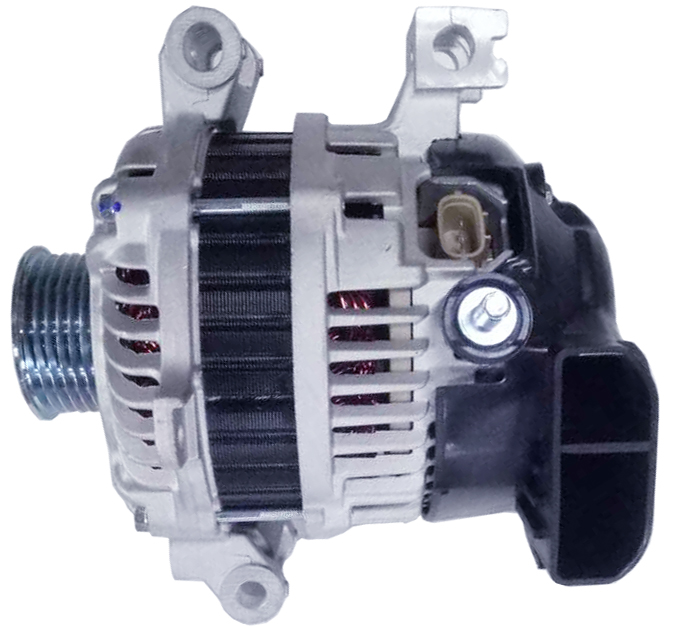
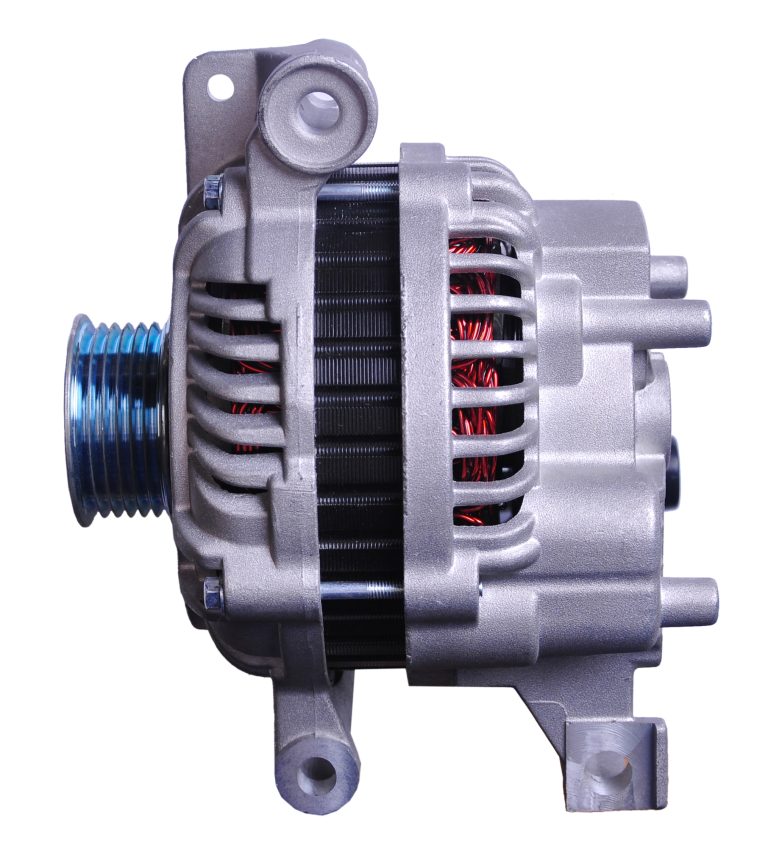
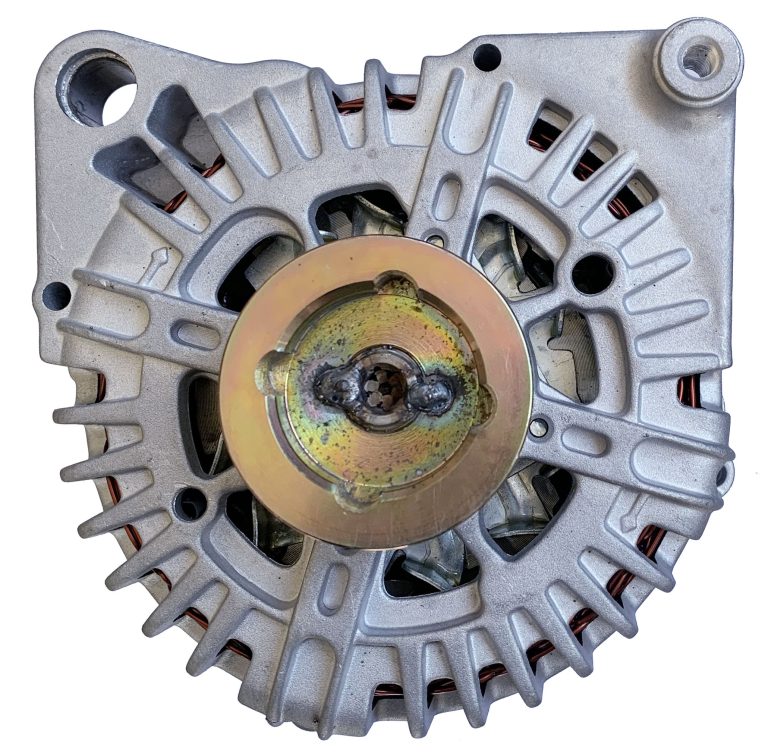
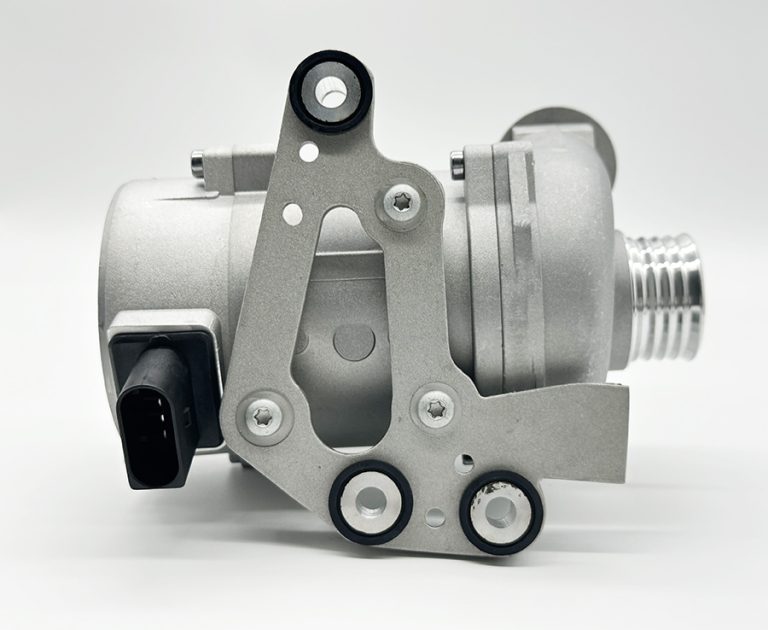
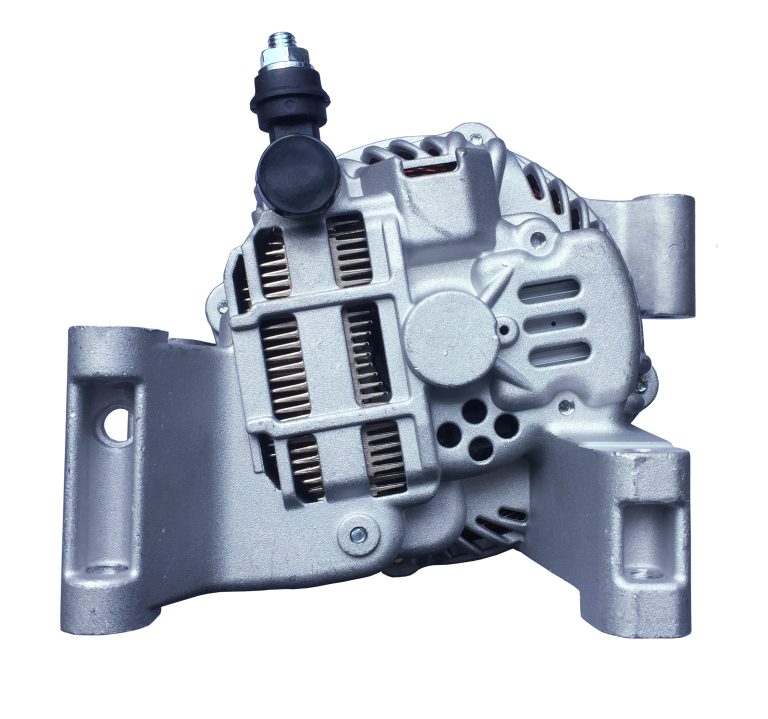
Here are some real-world examples of BMW alternators:
-1-1024x930.jpg)
How to Tell If Your BMW Alternator Is Failing – Top 10 Symptoms
BMW alternators usually give warning signs before complete failure. Here are the most frequently reported symptoms:
- Battery/charging system warning light on the dashboard (most common & direct sign)
- Dimming or flickering headlights/interior lights (especially at idle or under load)
- Battery dies quickly even after replacement (especially in cold weather)
- Electrical glitches: slow power windows, erratic radio/iDrive, weak seat heaters, etc.
- Difficulty starting or frequent stalling
- Whining, grinding, or bearing noise from the alternator area
- Voltage reading low (<13.5V at idle) or unstable (check with OBD scanner or hidden menu)
- Multiple random electrical warnings appear simultaneously
- Burning smell (rubber/oil/electrical) near the engine bay
- Oil leaks around the alternator (common on some models due to failed seals)
The infamous red battery warning light is hard to miss:

Most Common Failure Points (Ranked by Frequency)
| Rank | Component | Frequency | Typical Fix | Approx. Cost (USD, parts only) |
|---|---|---|---|---|
| 1 | Voltage regulator / brushes | ★★★★★ | Replace regulator (DIY possible on older models) | $80–$200 |
| 2 | Rectifier diodes | ★★★★ | Usually full alternator replacement | — |
| 3 | Bearings / pulley | ★★★★ | Full replacement | — |
| 4 | Rotor/stator winding burn | ★★ | Full replacement | $400–$900+ |
| 5 | Smart control module (BSD/LIN) | ★★ | Usually full replacement | $500–$1,200 |
Here’s what a typical voltage regulator (brush assembly) looks like — often the first part to wear out:
IB370A Adjustable Voltage Regulator Brush Assembly for Bosch …
Replacement Difficulty by Generation
- E46 and older → Relatively easy (★★☆☆☆)
- E90/E92 → Moderate (★★★☆☆) – need to remove intake/fan shroud on some
- F30/F32 → Harder (★★★★☆) – tight engine bay, often requires removing lower splash shield
- G20+ → Very difficult (★★★★★) – smart alternators, many sensors; best left to professionals
Pro Tip: On many E90-era cars, replacing just the voltage regulator is very cost-effective (common at 80k–130k miles). Newer models (F/G series) usually require full alternator replacement due to integrated electronics.
Prevention & Quick Checks for BMW Owners
- Monitor charging voltage every 1–2 years (ideal: 13.8–14.6V at idle, slightly higher at 2000 RPM)
- Avoid lots of short trips + heavy electrical load (heated seats + big audio + lights)
- Fix engine oil leaks ASAP — oil on the belt/pulley kills alternators fast
- Always disconnect the battery negative terminal before replacing the alternator (protects the smart module)
- Stick to quality parts: Genuine BMW, Bosch, or high-end remanufactured Valeo units
Bottom line for BMW owners: The alternator rarely gives dramatic warning — it often just slowly fades until one day everything goes dark. When the battery light appears or voltage becomes unstable, don’t wait. A failing alternator is expensive and inconvenient to fix roadside.
Stay charged and drive safe! ⚡